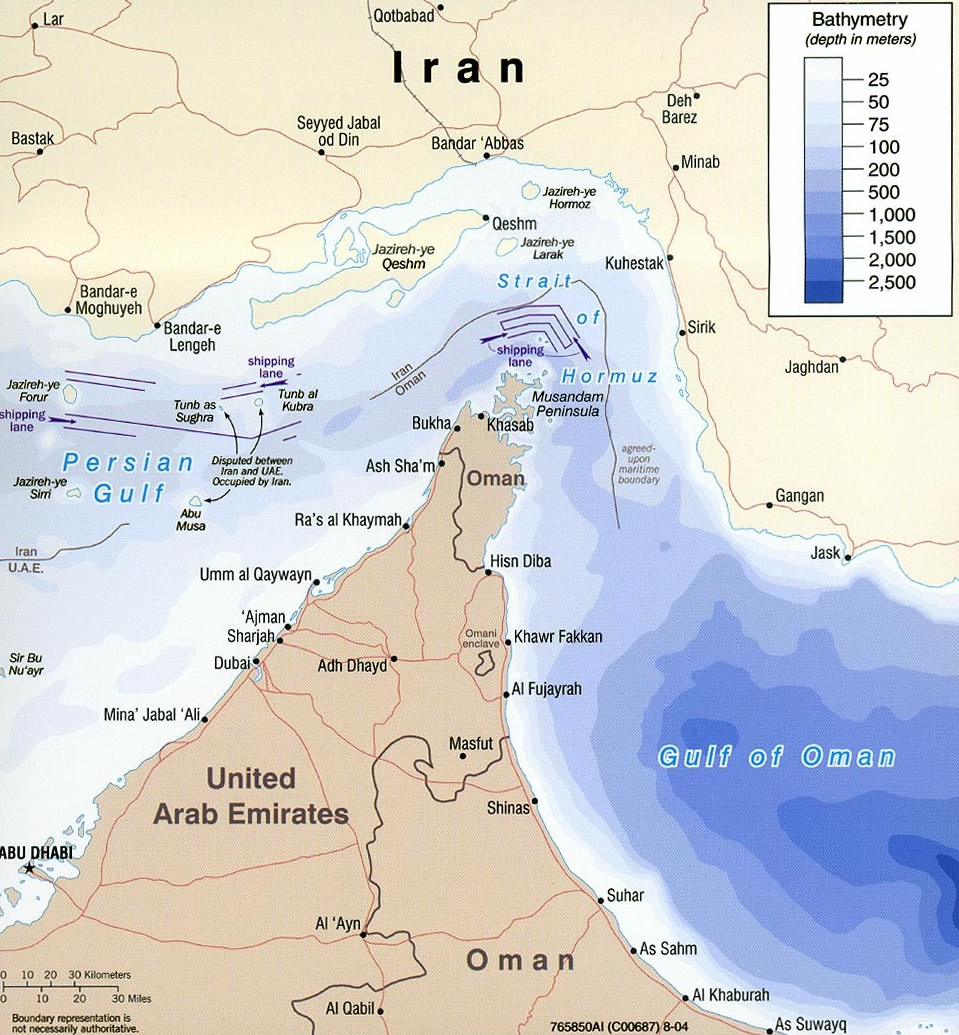
The United States and Iran have agreed to a two week ceasefire following continuous fighting since Feb. 28, 2026. Brokered by Pakistan, the deal requires US forces to halt strikes on Iran conditional of a “complete, immediate and safe opening” of the Strait of Hormuz. According to reports from Al Jazeera, Iran informed the United States of the ten points it is looking for in a potential peace deal. Most notably, these demands include securing leverage of the strait of Hormuz as well as the revival of their nuclear program and the paying of reparations from the United States to Iran.
In recent days, ceasefire talks have halted almost completely after the United States announced a blockade of the Strait of Hormuz. US Vice President J.D Vance accused the Iranian regime of committing “economic terrorism” by closing the Strait of Hurmuz. According to US officials, the blockade will block exclusively ships with ties to the Iranian government and will allow free passage of all other ships. Since Iran’s initial closure of the strait, they have collected $100,000,000 in unofficial fees and revenue. In an attempt to counteract Iran’s closure, the United States launched a counter closure of sorts, allowing for free passage without interruption by the Iranian regime.
Following ceasefire talks in Pakistan, Vance returned back with little to no progress being made. According to top mediators, the United States and Iran have agreed on most proposals but continue to be held back by Iran’s hesitancy to cease its nuclear program. Similarly, war is continuing in Lebanon. The IDF has continued offensives near the border and continues to strike Iran with missiles despite a peace treaty between Iran and the US. Further complicating the war and making a complete and total ceasefire more and more difficult to achieve.